
Flexible Screw Pile Installation Supports Changing Programme Demands at Wick Farm BESS Project, Chippenham
RADIX supplied and installed over 1,100 screw pile foundations and custom steel interfaces for the Wick Farm BESS project near Chippenham. Delivered across a fragmented, live multi-contractor environment, the project demonstrated the value of adaptable installation sequencing and low-footprint delivery methods.
Client:
Equans
Location:
Chippenham, Wiltshire
Project:
208MWh BESS – Balance of Plant, Batteries, Auxillary Units and Cabinets
Sector:
Renewable Energy
Services:
- Testing and Design
- Supply & Installation of RDX EXT Screw Piles & Custom Steelwork
Products:
- RADIX EXT 76 & 89mm screw piles
- Custom helical screw piles
- Custom PFC Steel frames

Overview
Delivering battery infrastructure foundations across a fragmented live construction environment
Wick Farm formed part of a large-scale renewable energy development combining solar generation and battery energy storage infrastructure near Chippenham. The site was split into multiple active work zones, separated in part by a railway line and surrounded by ongoing trenching, electrical works, solar installation activities and other contractor operations.
RADIX was appointed by Equan to deliver the screw pile foundation package supporting:
- 52 CATL EnerC+ 306 battery units
- MV skids
- LV boards
- DC/DC cabinets
The project required a foundation solution capable of adapting to changing site conditions, evolving work fronts and restricted access corridors, all while maintaining programme continuity within a highly active construction environment.

Solution
Mobile installation methodology designed around programme flexibility
The project marked the first use of RADIX’s custom 89mm helical screw piles on this type of BESS application, developed specifically to suit the site conditions and equipment loads.
Using compact 8-tonne and 13-tonne tracked machinery, RADIX operated a mobile installation methodology that allowed teams to adapt quickly as trenching, solar works, cable routes and contractor sequencing evolved throughout the programme.
Access restrictions added further complexity, with some steelwork and materials needing to be transported a significant distance from laydown areas due to restricted working areas and the railway line dividing the site.
A key advantage of the RADIX approach was rapid installation sequencing. Screw piling could be immediately followed by steel installation, allowing battery units to be landed shortly afterwards and reducing dependency on curing periods or extended work zones.
The full installation programme was completed in seven weeks, supported by T2 verification testing for the required design life.
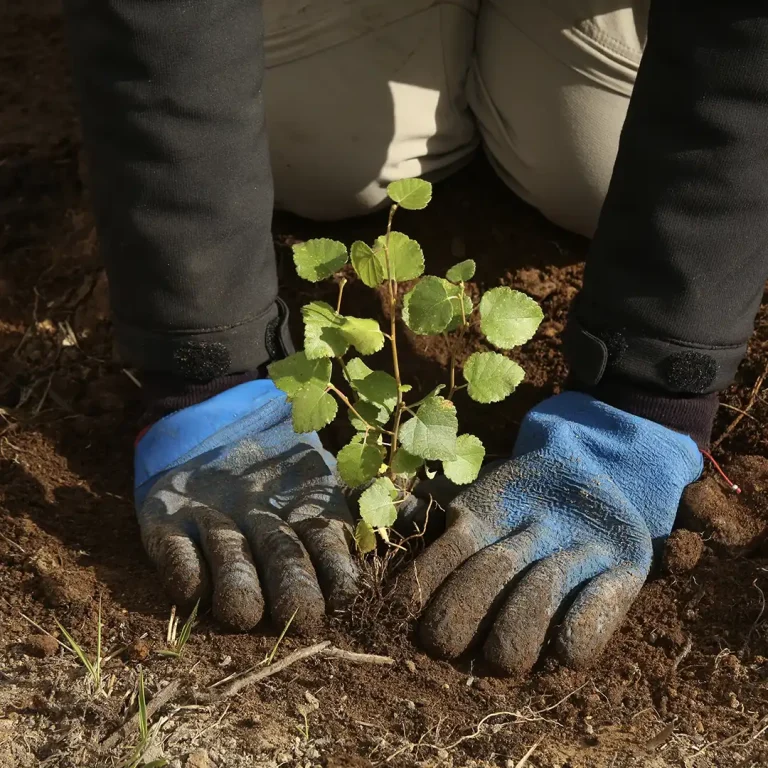
Sustainability & Environmental Benefits
Lower-impact installation across an active agricultural renewable energy site
The Wick Farm project highlighted the benefits of screw piling within large renewable energy developments where multiple contractors and infrastructure systems must coexist efficiently.
Compared with excavation-heavy foundation methods, the RADIX approach reduced:
- Spoil generation and removal
- Excavation requirements
- Large curing and laydown areas
- Heavy vehicle movement associated with spoil and wet trades
- Ground disturbance across agricultural land
The compact tracked installation methodology also allowed teams to operate within constrained spaces between trenches, fence lines and installed solar infrastructure with minimal disruption to adjacent works.


